







Search Results for: Coffee Cooling
A Complete Guide to Cooling Methods for Iced Pour-Over Coffee: A Comparison of Ice-Bath Cooling, Direct Ice Addition, and Pour-Over-Ice Methods
On a scorching summer day, iced pour-over coffee has become a popular choice in cafés thanks to its refreshing, mellow taste. There are many ways to make iced pour-over, with common methods including placing ice cubes in the lower server first, pouring hot coffee over ice, and the ice-bath cooling method that has become popular in recent years. Different approaches preserve the coffee's flavor to varying degrees, and their ease of operation differs greatly as well. This article takes Front Street Coffee's Emerald Estate Green Label Geisha as an example, using three methods—adding ice directly, pouring over ice, and ice-bath cooling—to brew the same beans, and provides a detailed comparison from the brewing process and cooling efficiency to the final flavor performance, to help you find the summer iced coffee method that suits you best. [more…]
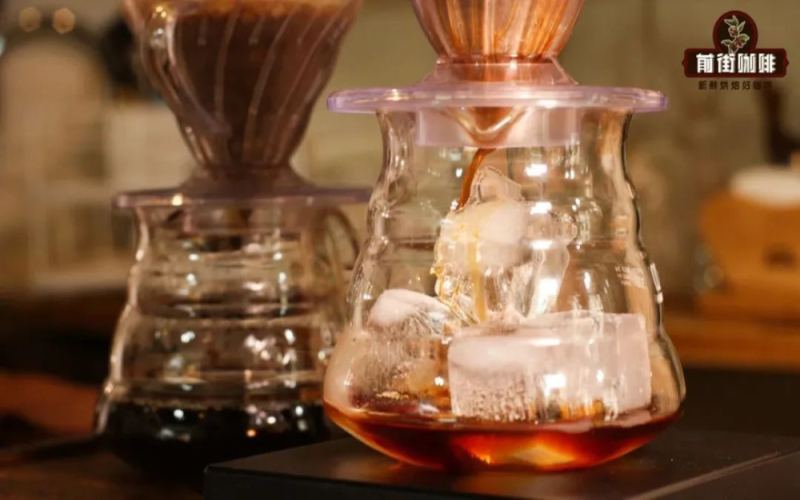
How to Make Iced Pour-Over with Light Roast Beans? Four Cooling Extraction Methods and Flavor Comparison in Practice
As soon as the temperature rises, iced coffee returns to the top of the sales charts. Iced pour-over lets you choose your own beans and comes with a refreshingly cold taste, making it the first choice in hot weather. However, if you simply add ice cubes to a hot pour-over recipe, the concentration gets diluted and it tastes as bland as water. The core problem to solve is: how to maintain a moderate concentration after cooling down. Using Front Street's medium-light roasted Ethiopia Kaffa Forest as an example, we've put together four highly practical iced pour-over methods—high-concentration high-extraction, ice-flushing, stirring, and ice-bath cooling—breaking down the parameters and techniques one by one, and comparing their flavor performances, to help you find the cup that suits you best. [more…]

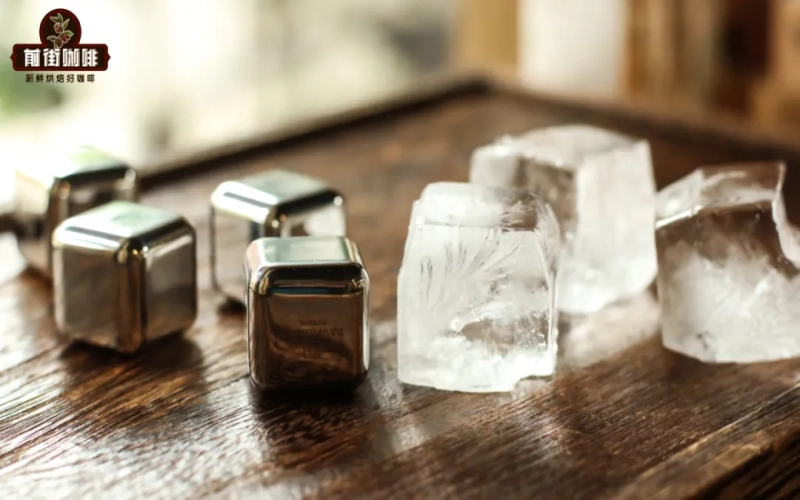
Can stainless steel ice cubes be used to cool coffee? A practical test comparing their effect and usability against homemade ice cubes
When drinking iced coffee in summer, it tends to become diluted toward the end, so some people have thought of using stainless steel ice cubes instead of traditional ice. Are these reusable metal ice cubes really suitable for coffee? Front Street conducted an actual comparison test, analyzing the structure of stainless steel ice cubes, their cooling speed, and their impact on flavor. The results show that although stainless steel ice cubes have the advantage of not melting, their cooling effect is far inferior to homemade ice cubes, especially performing poorly in the ice pour-over step. The article also shares a pour-over plan using a mix of the two types of ice cubes, and explores why coffee shops rarely use stainless steel ice cubes. [more…]
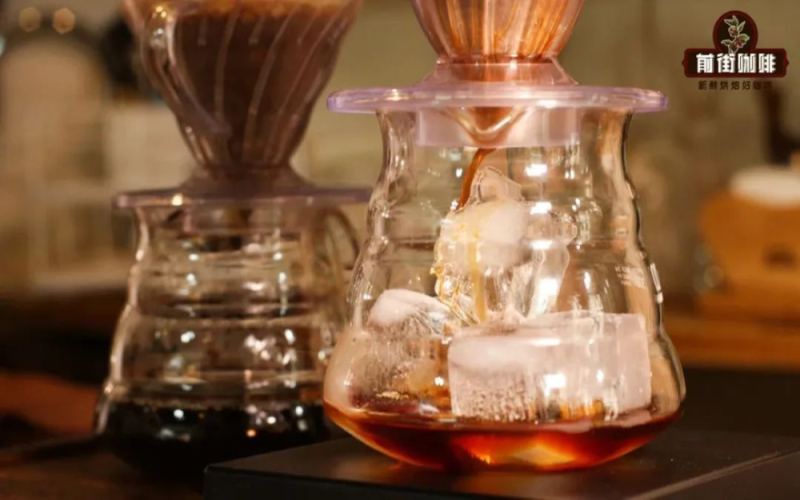
A Detailed Guide to Four Iced Pour-Over Coffee Brewing Methods: From High-Strength High-Extraction to Ice-Chilling Cooling
As temperatures rise, iced coffee returns to the top of the sales charts. Iced pour-over lets you freely choose your favorite beans while offering the sweet, refreshing taste of a chilled brew—making it an excellent way to beat the heat. But the key to making a delicious iced pour-over lies in solving the problem of dilution after cooling. Front Street Coffee has put together four zero-threshold iced pour-over brewing approaches—high-concentration high-extraction, ice rinsing, the stirring method, and ice-bath cooling—each with detailed parameters and step-by-step instructions, demonstrated using a light-to-medium roast Ethiopian Kafa Forest as an example. No matter what equipment you have on hand or what size your ice cubes are, you'll find a method that suits you. [more…]
Replacing Regular Ice with Stainless Steel Ice Cubes for Iced Pour-Over? Front Street Tests Cooling Effect and Flavor Differences
On a scorching summer day, you want to drink iced pour-over but worry the flavor will be watered down, so a friend suggests: use stainless steel ice cubes to cool down hot pour-over—wouldn't that give you both full flavor and a refreshing chill? This idea sounds beautiful, but through comparative experiments, Front Street Coffee found that although stainless steel ice cubes can preserve coffee concentration, they fall short of traditional ice cubes in temperature and mouthfeel. This article documents in detail the parameter differences between regular iced brew and the experimental iced brew with stainless steel ice cubes, the actual measured temperature results, and the inherent shortcomings of stainless steel ice cubes—slow cooling and not cold enough—to help you decide whether they are worth using in iced pour-over. [more…]

Luckin partners with Doraemon to launch the Ice Sucking Raw Coconut Latte—how does this co-branded new drink actually taste?
On Monday morning, the first thing many office workers do is head to a Luckin store—not just for a caffeine fix, but to get their hands on the new co-branded drink with the Doraemon movie. This beverage, called "Ice Suck Coconut Latte," adds a cooling factor to the classic Coconut Latte, officially described as a combination of "coconut coffee + intense icy sensation." On the day it launched, social platforms like Xiaohongshu exploded, with netizens using phrases like "a propeller blowing cold air into my mouth" and "my throat was sent to a freezer" to describe that sharp chill shooting straight to the brain. Some see it as a savior on hot days, while others find it like a surprise attack of wind-oil. So, is this co-branded coffee actually good? Is the cooling sensation a gimmick or real skill? This article will start from a hands-on test experience and take you to explore this 22nd-century-style Ice Suck Coconut Latte. [more…]
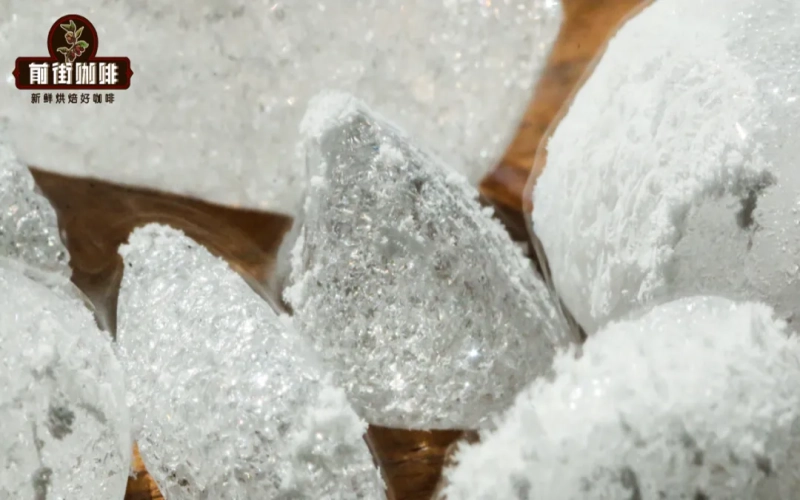
Is It Feasible to Use Dry Ice Instead of Ice Cubes for Iced Pour-Over? A Comprehensive Analysis of Cooling Methods for Pour-Over Coffee
Iced pour-over coffee needs rapid cooling, but ordinary ice cubes melt and dilute the coffee's strength. Some friends suggested using non-melting stainless steel ice cubes, but that attempt failed; then someone else recommended dry ice, which cools quickly and doesn't cause dilution. Dry ice can indeed chill coffee rapidly without turning into water, but when it sublimates it releases carbon dioxide, which dissolves into the coffee and turns a cup of iced pour-over into carbonated coffee—essentially deviating from what's wanted. This article provides a detailed analysis of dry ice's physical properties, its everyday uses, and why it's unsuitable for making pour-over coffee, along with Front Street Coffee's key points from their dry ice experiments and a recommended bean list. [more…]
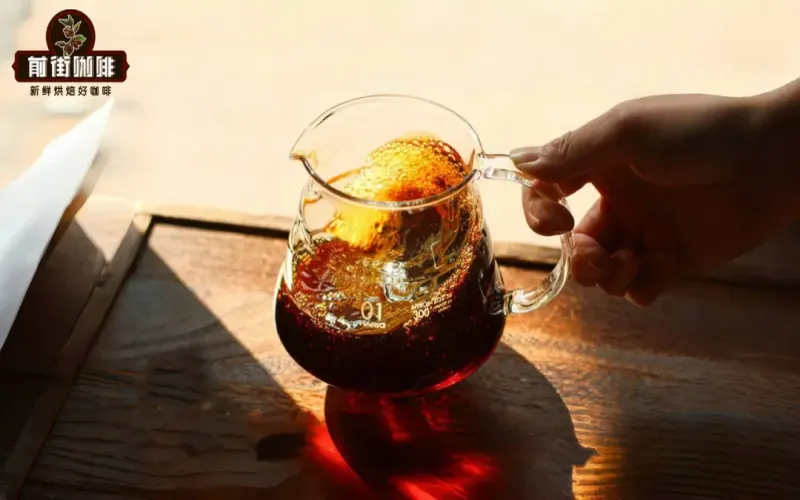
Should You Swirl the Carafe After Brewing Pour-Over Coffee? Analyzing the Real Impact of Swirling on Flavor Uniformity, Cooling, and Aroma Release
Many coffee enthusiasts, after brewing pour-over coffee, notice baristas habitually swirling the sharing pitcher, yet are unclear about what this step actually does. This article focuses on this detail when brewing single-origin coffee, explaining why swirling the coffee liquid makes the taste and concentration more uniform, how it speeds up cooling, and how it promotes the release of aroma. Starting from the proportion of soluble coffee substances and the stratification phenomenon of liquids with different concentrations, combined with Front Street's comparative experiments, the article explains the differences between swirling and not swirling in terms of concentration, temperature, and flavor performance, and offers operational suggestions for different drinking scenarios. [more…]
The Optimal Drinking Window for Pour-Over Coffee: An Analysis of Thermos Storage Duration and Why Flavor Deteriorates After Cooling
Freshly brewed hot coffee is rich in aroma and smooth in taste, but as the temperature drops, the flavor gradually becomes flat and even harsh. This is due not only to the effect of temperature on taste bud perception, but also to the continuous loss of volatile flavor compounds in the coffee. So, how long is it best to finish a pour-over coffee? And how much longer can a thermos extend the "enjoyable window"? Front Street Coffee conducted a real-world test using a thermos that keeps coffee hot for 12 hours, preheating all contact vessels in advance to faithfully reproduce actual performance. This article will break down the reasons why coffee flavor deteriorates after cooling and provide practical reference for thermos storage. [more…]

Why does pour-over coffee become sour and astringent after cooling? Analyzing three reasons for flavor changes and the ideal drinking temperature
A freshly brewed pour-over coffee is full of aroma and smooth on the palate, but after sitting for half an hour it turns sour, astringent, and muddled—what's going on? In fact, coffee naturally presents different flavors at different temperatures, and during tasting it is often divided into three stages: hot, medium, and cool. A good cup of coffee can usually withstand all three temperature stages, but once it has fully cooled, the flavor goes beyond the normal tasting range. From Front Street's perspective, this article breaks down the root causes of coffee turning sour and developing astringent, muddled notes after cooling—including differences in how human senses perceive sourness, sweetness, and bitterness, the impact of aroma volatilization, and the three key mechanisms of oil oxidation, pigment oxidative polymerization, and condensation—and tells you the most suitable temperature for drinking coffee, helping you better capture the best flavor of every cup. [more…]
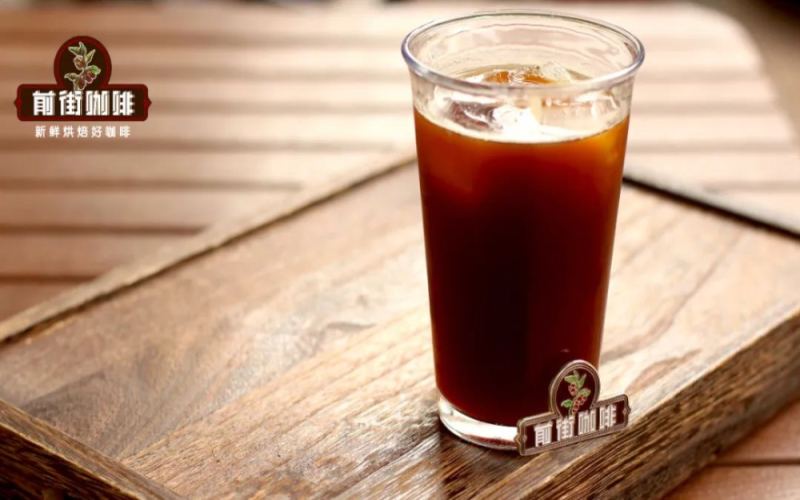
The Art of Adding Ice in Iced Coffee Making: A Full Analysis of Cooling, Aroma Locking, and Ratio Techniques
Whether iced coffee tastes good often hinges on the step of adding ice. Ice is not just a cooling tool; it also locks in aroma and maintains a cold mouthfeel. How much ice to add, what kind of ice to choose, and how to ratio different coffees—these questions trouble many enthusiasts. Drawing on Front Street Coffee's practical experience, this article first explains the three major functions of ice in coffee, then analyzes the differences between solid and hollow ice, and between large and small ice, and finally provides specific ice-adding plans for iced Americano, iced latte, iced pour-over, and cold brew/ice drip, helping you make consistently delicious iced coffee at home. [more…]

Complete Brewing Parameters Analysis of Ice Dosage for Iced Pour-Over Coffee and the Japanese Rapid Cooling Method
When making iced pour-over coffee, the choice and amount of ice are often the questions enthusiasts ask about most. The core role ice plays in iced pour-over is rapid cooling, not aroma preservation or insulation. Because melted ice dilutes the coffee's strength, its density and quantity directly determine the finished cup's taste and drinking experience. This article will go through the considerations for choosing ice, recommended amounts, and the complete process and specific parameters of Japanese-style rapid-chill iced pour-over, one by one. The article also uses Front Street Coffee's Geisha Village Estate Red Label Geisha as an example to share a practical approach combining high-concentration extraction with a precise ice ratio, helping you brew a cup of refreshing, full-bodied, flavor-forward iced pour-over coffee at home. [more…]
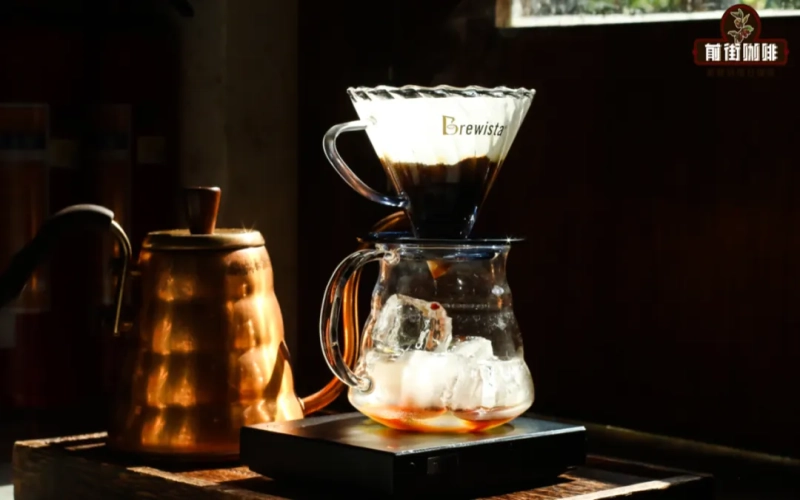
An Analysis of the Price Difference Between Iced and Hot Coffee, and the Complete Method for Japanese-Style Iced Pour-Over
Why is iced coffee often more expensive than hot coffee? Drawing on Front Street Coffee's production experience, this article sorts out two core questions about iced pour-over coffee: how to determine the coffee-to-water-to-ice ratio, and what difference adding ice first versus adding ice later makes. It also introduces the types of coffee beans suitable for making iced pour-over and gives Front Street's specific recommended products, including Yirgacheffe G1, Huakui, Cherry Tomato, Butterfly, Xizhua, and Strawberry Candy. The article also explains the need to adjust the grind size, as well as two alternative cooling methods—the over-ice method and the ice-bath cooling method—making it a useful reference for coffee enthusiasts to put into practice. [more…]
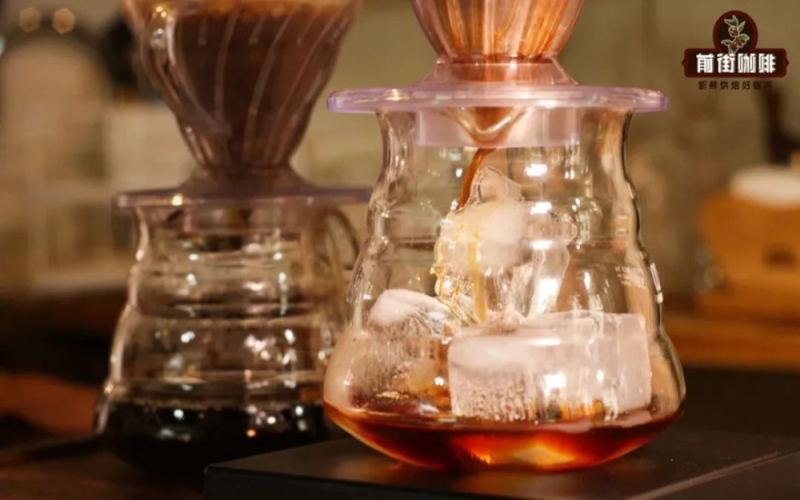
How to Make Delicious Iced Pour-Over Coffee: Four Practical Brewing Methods and Detailed Parameters
When the weather turns hot, iced coffee becomes the first choice for many people. Iced pour-over preserves the flavor layers of pour-over coffee while adding a refreshing chill, but making a good iced pour-over isn't as simple as adding ice cubes to hot pour-over. Melting ice dilutes the coffee's strength, and directly applying hot-brew parameters often results in a weak glass of iced coffee water. This article centers on the two cores of extraction yield and strength, and compiles four zero-threshold iced pour-over methods: the high-strength high-extraction method, the ice-rinsing method, the stirring method, and the ice-bath cooling method. Each method comes with specific parameters and operating steps using a medium-light roast Front Street Coffee Kafa Forest as an example, helping you easily make a full-flavored, sweet-and-sour balanced iced pour-over at home. [more…]
Why does coffee taste more acidic after it cools? Causes of pour-over flavor changes and solutions for coffee that's too sour
Many coffee enthusiasts notice that certain coffees seem to become more sour after they cool down. But this is not a universal trait of all coffee—most coffees simply lose some aroma as they cool, without their flavor framework shifting dramatically, and some even reveal greater sweetness as the temperature drops. So why does the sourness of certain coffees rise noticeably after the temperature falls? Behind this lies both the way human perception changes with temperature and the flavor composition of the coffee itself. From the perspective of Front Street, this article sorts out how temperature affects the perception of sourness, sweetness, and bitterness, explains the principle behind the intensified sourness of light-roasted coffee after cooling, and offers directions for adjustment when coffee is too sour. [more…]
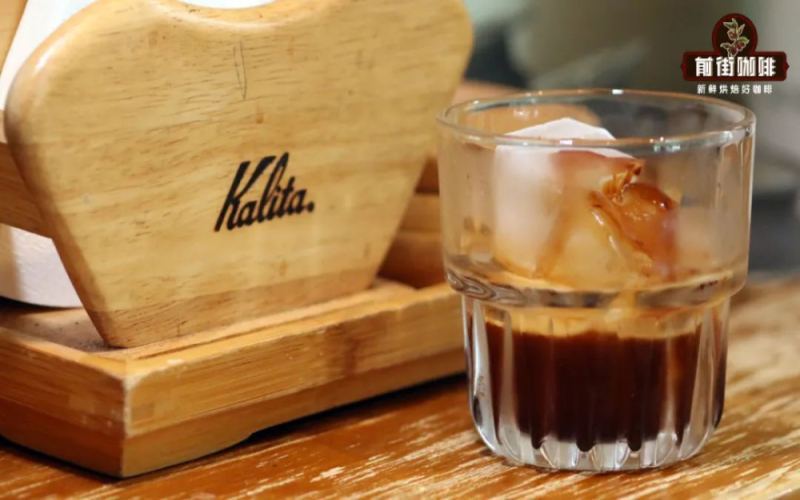
Complete Guide to Full-Ice Americano: Differences from Regular Iced Americano and Secret Menu Ordering Tips
Have you ever heard an order like this in a coffee shop—"Iced Americano, no water"? This seemingly simple drink is actually the all-ice Americano hidden behind the menu. It completely replaces the water in an Americano with ice cubes, allowing the espresso to lock in its aroma through rapid cooling, presenting a richer, more layered flavor. This article starts from Front Street Coffee's actual production and breaks down in detail the recipe ratio of the all-ice Americano, its taste differences compared with a regular iced Americano, and, combined with the concept of "extract chilling" proposed at the 2021 WBC Barista Championship, guides you to understand the flavor logic behind this way of drinking it. If you are also curious about exactly how espresso over ice is different, read on. [more…]
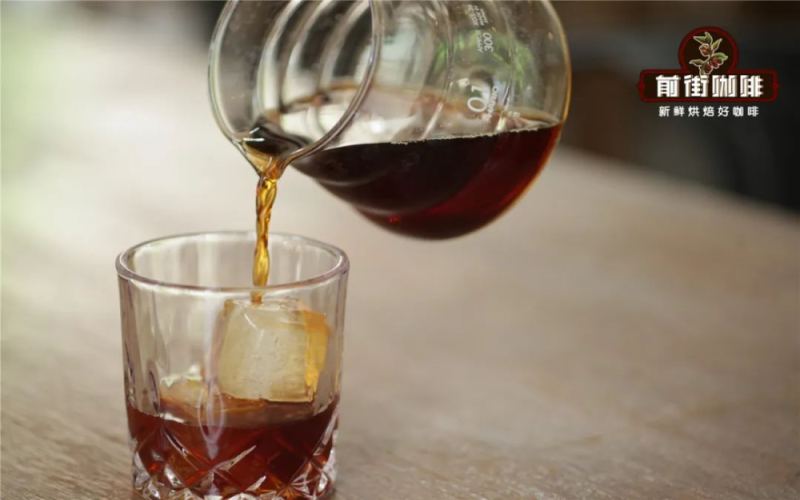
How to determine the ice amount and coffee-to-water ratio for iced pour-over coffee? Recommended beans suitable for making iced coffee
On a hot day, a glass of iced pour-over coffee is refreshing and invigorating. However, many people encounter two core questions when making it at home: how much coffee-to-water ratio and how much ice should be used? Does adding ice first versus adding ice later affect the flavor? This article addresses these two questions, first discussing the types of coffee beans suitable for iced pour-over and Front Street Coffee's specific bean list, then explaining in detail the reference ratios of coffee, water, and ice, as well as the subtle differences in taste between adding ice first and adding ice later. Finally, it supplements two rapid cooling methods that do not dilute the concentration, helping you make a cup of iced coffee that has both aroma and refreshingness. [more…]
Can cooled coffee be reheated? Analyzing the impact of temperature drop on flavor and practical remedies
After a freshly brewed cup of coffee sits for a while, its aroma gradually dissipates, and its mouthfeel changes noticeably. Dark roasts become less smooth, medium-light roasts develop a more pronounced sourness and astringency, and a bitter, muddled finish may even appear. Why does cooling rob coffee of its appeal? If you reheat cold coffee or chill it with ice, can it regain its original flavor performance? This article analyzes the issue from two perspectives—chemical changes and sensory perception—and, through a comparative experiment between Front Street Coffee Kafa Forest and Front Street Coffee Yirgacheffe, explores practical remedies for cooled coffee. [more…]
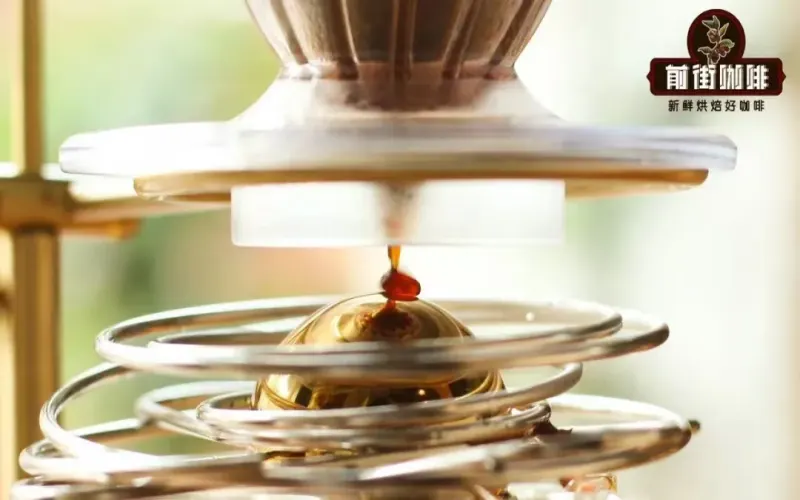
How do you use the Paragon小金球 for pour-over coffee? An analysis of the actual effects and key operating points of the rapid-cooling aroma-locking method.
In the past two years, a coffee processing method called "rapid chilling to lock in aroma" has become popular in competitions and among enthusiasts, shared and promoted by Sasa Sestic, with the core tool being the Paragon chiller ball. It works by rapidly lowering the temperature of the coffee liquid to slow down aroma volatilization, theoretically preserving more flavor. But how effective is it really? Why do most competitors only rapid-chill the first portion of the coffee liquid? Front Street conducted a comparative test using a pour-over of Huakui and a Strawberry Candy espresso, and found that the aroma difference in the pour-over group was not obvious, while the espresso group showed mouthfeel differences due to temperature changes. This article will break down in detail the principle of rapid chilling to lock in aroma, the results of the comparative experiment, and the two major reasons for only chilling the first half, helping coffee enthusiasts view this technique rationally. [more…]
How long can coffee maintain its optimal flavor window? Why does the flavor deteriorate after cooling? Is storing it in a thermos feasible?
Freshly brewed coffee is rich with aroma, but once you get delayed by something, the coffee left to cool often loses its fragrance and its taste deteriorates, making it seem like a completely different cup from when it was first brewed. This shows that the coffee in your cup also has an optimal window for enjoyment, and beyond that window, the experience drops off noticeably. So, is there a way to extend this golden tasting period? Front Street Coffee once shared a simple method: create a relatively sealed environment for the coffee, such as putting on a cup lid or pouring it into a thermos. This article will explain, from the perspectives of the concentration gradient principle behind aroma volatilization and oxidation reactions, why coffee tastes bad after it cools, and how sealed storage slows the loss of flavor, while also reminding you that the container capacity should not be too large, so that every cup of coffee can be enjoyed in its best state. [more…]